
4/12/26
Rev. Clint Smith
Sermon Direct Link
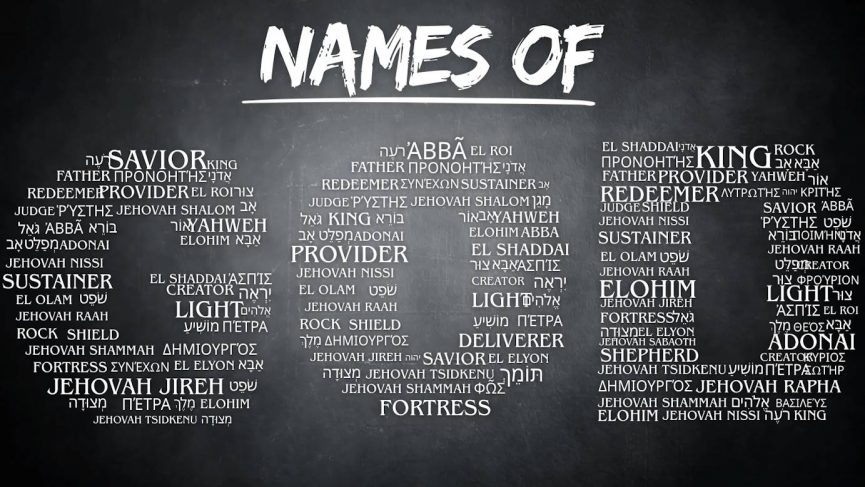
The Hebrew name Elohim often translated “God,” conveys the idea of strength and Divine majesty. It appears repeatedly in the first chapter of Scripture and emphasizes His power, authority, and creative work. Genesis 1:1; 1:2-31
Though Elohim is grammatically plural in form, it is consistently used with singular verbs when referring to the one true God, affirming that Scripture teaches the existence of only one God. This reveals both God’s unity and hints at the depth and mystery of His nature, which finite human minds cannot fully comprehend. Deuteronomy 6:4,5
In Genesis 1, each time God spoke, Creation came into existence by His word alone. After each creative act, God declared what He had made to be good, demonstrating His perfect will and moral authority. Creation is not random, but intentional, ordered, and inherently good, as it comes from Him. Psalm 33:1-9
As the culmination of creation, Elohim created humanity in His own image. This concept, often called the imago Dei, refers to the immaterial aspects of human beings that reflect God’s nature. It set apart humanity from the rest of Creation and equipped us for dominion, relationship with God, and moral responsibility. This likeness included our reason, intellect, creativity, our conscience, capacity for righteousness, and our capacity for relationship, reflecting God’s relational nature. Genesis 1:26–27
Being made in God’s image also included the capacity for choice. Though Adam and Eve were created upright they exercised their will in disobedience This act of rebellion against God brought sin into the world. Genesis 3; Ecclesiastes 7:29
As a result, the image of God in humanity was not destroyed, but marred. All people still bear God’s image yet are affected by sin in every aspect of their being, mentally, morally, socially, and physically. Humanity now exists in a fallen condition, separated from God, but there is hope. Genesis 9:6; Romans 5:1-12; James 3:7-12
Because God is holy and just, sin required judgment. Therefore, redemption became necessary. This redemption was fulfilled in Jesus Christ, who Scripture declares Him as God incarnate, fully God and fully man. He brought about divine redemption through His death on the cross, burial, and resurrection. Romans 3:23; 6:23; 10:9-13
Scripture affirms that the one God revealed as Elohim is fully expressed in the person of Jesus Christ. While God is one in essence, He is revealed in Scripture as Father, Son, and Holy Spirit, one God in three persons. Salvation, therefore, is the work of God Himself, accomplished directly through Jesus Christ alone. Matthew 28:18-20